
Today’s altcoins news is buzzing with updates that every investor should pay attention to. The market is shifting rapidly, and understanding these changes can make a big difference in your investment strategy. From emerging trends to regulatory news, there’s a lot to unpack. Let’s take a closer look at what’s happening in the altcoin space right now.
Key Takeaways
- Market sentiment is fluctuating, which can affect altcoin prices significantly.
- Investors should keep an eye on emerging altcoins that are gaining popularity.
- Regulatory announcements are shaping the trading landscape for altcoins.
- Technological advancements are introducing new projects and partnerships.
- Diversifying your altcoin portfolio can help manage risks effectively.
Market Trends Impacting Altcoins News
Current Market Sentiment
Right now, the mood around altcoins is a mixed bag. You’ve got some folks who are super optimistic, thinking altcoins are poised for a major comeback this year, maybe even echoing the boom we saw back in 2021. Then you’ve got others who are way more cautious, pointing to potential pullbacks after the recent rallies. It really feels like everyone’s holding their breath, waiting to see what happens next.
- Overall market volatility
- Investor confidence levels
- Global economic factors
Key Influencers in Altcoin Prices
So, what’s actually moving the needle when it comes to altcoin prices? Well, it’s not just one thing. Bitcoin’s performance definitely plays a big role – if Bitcoin’s doing well, altcoins often follow suit. But there’s also a bunch of other stuff at play. Think about news impacting altcoins, regulatory changes, and even just general social media buzz. And don’t forget about the big players – whales and institutional investors can really shake things up with their moves.
- Bitcoin’s price movements
- Regulatory announcements
- Whale activity
Predictions for Altcoin Performance
Trying to predict where altcoins are headed is like trying to predict the weather – tough! Some analysts are saying that certain altcoins could see massive gains, especially with the Ethereum upgrade on the horizon. Others are warning about potential drops, especially if Bitcoin takes a tumble. Honestly, it’s all speculation at this point, but it’s worth keeping an eye on what the experts are saying. Keep in mind that predictions are not financial advice.
- Analyst forecasts for specific altcoins
- Potential growth sectors within the altcoin market
- Risk factors that could impact performance
Top Altcoins to Watch This Week
Emerging Altcoins Gaining Traction
Okay, so this week, a few smaller altcoins are starting to make some noise. First up is NovaCoin; it’s been quietly building a solid community and has some interesting tech related to faster transaction speeds. Then there’s LocusCoin, which is focused on decentralized storage solutions – something that’s becoming increasingly important. Finally, keep an eye on QuantumLeap; they’re trying to tackle the issue of scalability with a new consensus mechanism. It’s still early days, but these emerging cryptocurrencies show promise.
Established Altcoins with Strong Fundamentals
Don’t forget about the more established altcoins either. Litecoin is always a solid choice; it’s been around for ages and has a proven track record. Ethereum Classic is also worth considering; it has a dedicated following and is sticking to its original vision. And then there’s Monero, which is all about privacy – something that’s increasingly valued in the crypto world. These aren’t going to give you overnight riches, but they’re generally seen as safer bets. Here’s a quick rundown:
- Litecoin: Reliable and established.
- Ethereum Classic: Sticking to core principles.
- Monero: Focus on privacy.
Analyst Recommendations for Investors
So, what are the analysts saying? Well, most are still cautious, but there’s a general consensus that altcoins could see some gains this year. A lot depends on what Bitcoin does, of course, but if Bitcoin stays stable, altcoins could have room to run. Some analysts are recommending a basket approach – spreading your investments across several different altcoins to minimize risk. Others are focusing on altcoins with real-world use cases, like those involved in supply chain management or decentralized finance. It’s all about doing your research and not putting all your eggs in one basket. Remember to consider altcoin performance before investing.
Regulatory Developments Affecting Altcoins
Recent Government Announcements
Okay, so, governments are starting to make some real moves when it comes to altcoins. It’s not just Bitcoin getting all the attention anymore. We’re seeing announcements from different countries about how they plan to regulate these digital assets. Some are taking a pretty friendly approach, trying to encourage innovation while still protecting investors. Others are being way more cautious, talking about strict rules and potential bans. It’s a mixed bag, and it’s changing all the time.
Impact of Regulations on Altcoin Trading
These new regulations? They’re already having a big impact on altcoin trading. Like, you can’t just ignore them. Here’s what I’m seeing:
- Volume shifts: Some altcoins are seeing their trading volumes drop in certain regions because of regulatory uncertainty. People just don’t want to risk it if they’re not sure what the rules are. But, on the flip side, some altcoins are becoming more popular in countries with clearer, more favorable regulations. It’s all about finding the path of least resistance.
- Exchange listings: Exchanges are being super careful about which altcoins they list. They don’t want to get in trouble with regulators, so they’re doing a lot more due diligence. This means some of the smaller, riskier altcoins are having a harder time getting listed on major exchanges. This could be the year of altcoin recovery.
- Investor sentiment: All this regulatory stuff is definitely affecting how investors feel about altcoins. Some are getting scared off, while others see it as a sign that the market is maturing and becoming more legitimate. It really depends on your risk tolerance and how you interpret the news.
Future of Altcoins in a Regulated Environment
So, what does the future hold for altcoins in a regulated world? Honestly, it’s hard to say for sure. But here are a few things I think we can expect:
- More clarity: Over time, we’ll probably see more consistent regulations across different countries. This will make it easier for businesses to operate and for investors to understand the risks. The SEC’s "all-out assault" on crypto means the future is uncertain.
- Increased adoption: As the regulatory landscape becomes clearer, more institutional investors will likely start getting involved in altcoins. This could bring a lot more money into the market and help to legitimize the asset class.
- Innovation: Regulation could actually spur innovation in the altcoin space. Companies will need to find new ways to comply with the rules, and this could lead to the development of new technologies and business models.
Technological Innovations in Altcoin Space
Blockchain Upgrades and Their Implications
So, blockchain upgrades, right? They’re not just about bragging rights; they actually do stuff. Think of it like upgrading your computer’s operating system – suddenly, things run smoother, faster, and maybe even look a little nicer. In the altcoin world, these upgrades can mean a bunch of things:
- Improved Scalability: Can the altcoin handle more transactions per second? This is a big one, especially if it wants to compete with the big boys.
- Enhanced Security: Nobody wants their crypto stolen. Upgrades often include better encryption and security protocols.
- New Features: Maybe the upgrade adds smart contract functionality, or some other cool feature that makes the altcoin more useful. Investors may want to consider these 4 altcoins ahead of Ethereum’s network upgrade.
New Projects Launching This Month
Every month, it feels like a million new altcoins pop up. Most of them are, let’s be honest, kinda pointless. But every now and then, you find a gem. Here’s what I look for:
- A Unique Use Case: Does this altcoin actually solve a problem, or is it just another copycat?
- A Solid Team: Who’s behind the project? Do they have experience? Are they transparent?
- A Clear Roadmap: What are their plans for the future? Do they have a realistic timeline?
Partnerships Enhancing Altcoin Utility
Partnerships can be a game-changer for altcoins. When an altcoin teams up with an established company or another crypto project, it can suddenly gain a whole lot of credibility and utility. Here are some examples:
- Integration with Existing Platforms: If an altcoin can be used within a popular app or service, that’s a huge win.
- Cross-Chain Compatibility: Can the altcoin work with other blockchains? This opens up a lot of possibilities.
- Strategic Alliances: Sometimes, two altcoins will team up to combine their strengths and create something even better. Why 2025 is set to be the year of the altcoin?
Investor Strategies for Altcoins
Long-Term vs Short-Term Investment Approaches
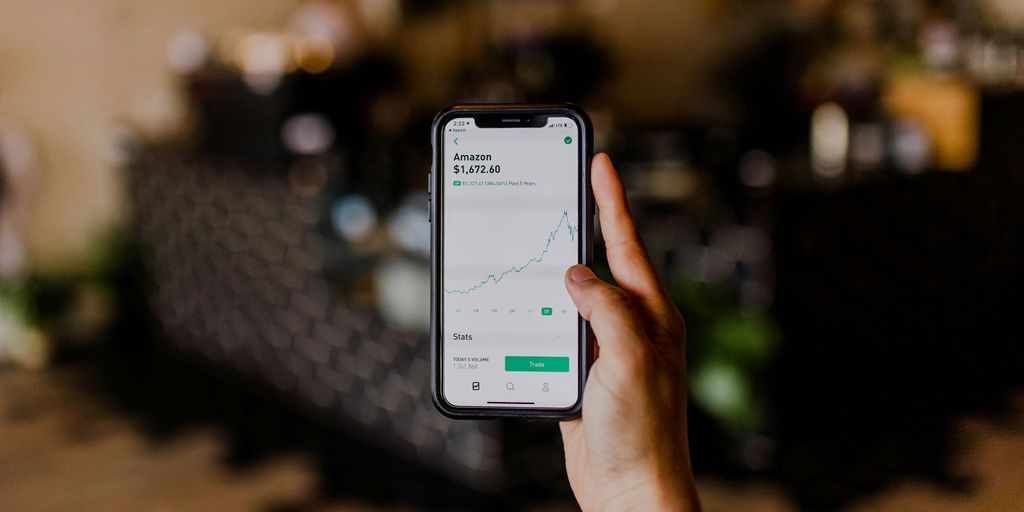
Okay, so you’re thinking about throwing some money at altcoins? Cool. First thing’s first: are you in it for the long haul, or are you trying to make a quick buck? This is super important. Long-term investing is like planting a tree – you gotta wait for it to grow. Short-term is more like trying to win the lottery. Both can work, but they need totally different mindsets.
- Long-term: Think years, not weeks. Research solid projects with real-world use cases. Look for altcoins that are actually trying to solve problems, not just riding the hype train. This is where you might want to check out top altcoins with strong fundamentals.
- Short-term: Buckle up, it’s gonna be a bumpy ride. You’re looking at charts, news, and social media sentiment constantly. Be ready to buy and sell at a moment’s notice. High risk, high reward, but also high chance of losing your shirt.
- Don’t mix them up: Seriously. Decide which one you’re doing and stick to it. Don’t get emotional and start holding onto a short-term investment that’s tanking, hoping it’ll become a long-term winner. It usually doesn’t.
Risk Management in Altcoin Investments
Altcoins are risky. Like, really risky. More so than Bitcoin, more so than stocks. So, you need a plan to protect yourself. Here’s the deal:
- Never invest more than you can afford to lose: This is the golden rule of crypto. If you’re sweating bullets every time the price dips, you’ve got too much in. Plain and simple.
- Use stop-loss orders: These are your safety nets. Set a price at which you automatically sell if the price drops too low. It limits your losses, even if it stings a little at the time.
- Do your own research (DYOR): Don’t just listen to some random dude on YouTube. Read the whitepapers, check out the team behind the project, and understand what you’re actually investing in. Seriously, DYOR!
Diversification Tips for Altcoin Portfolios
Don’t put all your eggs in one basket. This is true for everything in life, and it’s especially true for altcoins. Diversification is your friend. Here’s how to do it:
- Spread your investments across multiple altcoins: Don’t just buy one or two. Aim for at least five or ten, maybe more. This way, if one goes belly up, you’re not completely wiped out.
- Consider different types of altcoins: Look at different sectors – DeFi, NFTs, metaverse, etc. This reduces your risk if one sector takes a hit. Think about the current altcoin trends and how they might affect your choices.
- Rebalance regularly: Every few months, take a look at your portfolio and rebalance it. Sell some of the winners and buy more of the losers (as long as you still believe in them, of course). This keeps your portfolio aligned with your risk tolerance and investment goals.
Market Analysis of Altcoin Performance
Comparative Analysis with Bitcoin
Okay, so let’s talk about how altcoins stack up against Bitcoin. It’s not always a straightforward comparison, right? Bitcoin is like the granddaddy of crypto, the one everyone knows. Altcoins, on the other hand, are all the other cryptocurrencies trying to do their own thing. Sometimes they outperform Bitcoin, sometimes they crash and burn. It really depends on the market cycle and what’s hot at the moment. Right now, people are keeping a close eye on Ethereum, especially since it’s showing similar patterns to its undervalued state back in October 2023 Ethereum’s potential.
Historical Performance Trends
Looking back, altcoins have had some crazy runs. Remember 2021? Total altcoin mania. But what goes up must come down, and many got wrecked in the bear market. Trying to spot trends is tough, but here are a few things I’ve noticed:
- Altcoins often move with Bitcoin, but with bigger swings. If Bitcoin rallies, altcoins usually rally harder. If Bitcoin dumps, altcoins get destroyed.
- Certain sectors get hot for a while – DeFi, NFTs, meme coins – and then cool off. It’s all about the narrative.
- New altcoins pop up all the time, promising the moon, but most fade away. It’s a high-risk, high-reward game.
Volatility Patterns in Altcoin Markets
Volatility is the name of the game with altcoins. If you can’t handle wild price swings, stay away. Seriously. Here’s what I’ve learned about altcoin volatility:
- Smaller market cap altcoins are way more volatile than bigger ones. Makes sense, right? Less liquidity, easier to manipulate.
- News and rumors can send altcoins soaring or crashing in minutes. Gotta stay on top of things.
- Altcoins are way more sensitive to Bitcoin’s price action than the other way around. If Bitcoin sneezes, altcoins catch a cold… or worse.
Community Insights on Altcoins
Social Media Sentiment Analysis
Social media is a huge driver in the altcoin world. You can see what people are excited about, what they’re worried about, and what they think is going to be the next big thing. Tracking sentiment on platforms like X (formerly Twitter), Reddit, and Telegram can give you a sense of the overall mood surrounding specific altcoins. It’s not always accurate, but it’s another piece of the puzzle. Here’s what I look for:
- Sudden spikes in mentions (positive or negative).
- Commonly used hashtags and keywords.
- The overall tone of the conversations (bullish, bearish, neutral).
Influencer Opinions on Altcoin Trends
Crypto influencers definitely have the power to move markets, for better or worse. Some influencers offer solid analysis, while others are just hyping coins for their own benefit. It’s important to do your own research and not blindly follow anyone’s advice. I usually check out a few different influencers and see if their opinions line up with my own research. Here’s my approach:
- Look for influencers who disclose their holdings.
- Check their past predictions – were they accurate?
- Be wary of anyone promising guaranteed returns.
User Experiences and Testimonials
Real-world experiences can be super helpful when you’re trying to figure out if an altcoin is worth investing in. Reading about other people’s successes and failures can give you a more realistic view of the risks and rewards. I like to look for user testimonials on forums, review sites, and even social media. Just remember to take everything with a grain of salt. Some things to consider:
- Look for detailed accounts, not just vague praise or criticism.
- Consider the source – is it a reputable site or just a random forum?
- Be aware that some testimonials may be fake or biased. Remember that established cryptocurrencies are often a safer bet.
Final Thoughts on Today’s Altcoin Landscape
So, there you have it. The altcoin market is buzzing with activity, and it’s clear that investors have a lot to think about. With new developments popping up all the time, staying informed is key. Whether you’re looking at Ethereum’s upgrades or the latest trends in other altcoins, it’s important to do your homework. Remember, the crypto world can be unpredictable, so approach your investments with caution. Keep an eye on the news, and don’t hesitate to adjust your strategy as needed. Happy investing!